

Brazilian and Mexican Markets Show Strong Growth Potential for Lash Products
Brazilian and Mexican Markets Show Strong Growth Potential for Lash Products
In recent years, the global lash products market has witnessed remarkable expansion, with emerging economies in Latin America standing out as key growth drivers. Among these, Brazil and Mexico have emerged as hotspots, showcasing robust demand for false eyelashes, eyelash extensions, and related products. Market analysts project that by 2026, the combined market size of lash products in these two countries could exceed $500 million, driven by evolving consumer preferences, economic recovery, and the rise of digital beauty culture.
Economic and Demographic Tailwinds
Both Brazil and Mexico boast large, young populations with growing disposable incomes. Brazil, with over 214 million people, and Mexico, with 128 million, have seen a surge in the middle class, particularly among women aged 18–35— the primary consumers of lash products. Post-pandemic economic rebounds have boosted consumer spending on personal care, with beauty categories like cosmetics and skincare leading the recovery. In Brazil, for instance, beauty spending grew by 12% in 2023, according to the Brazilian Association of Personal Care, Toiletries and Fragrances (ABIHPEC), with lash products outpacing other segments.

Social Media and Beauty Trends
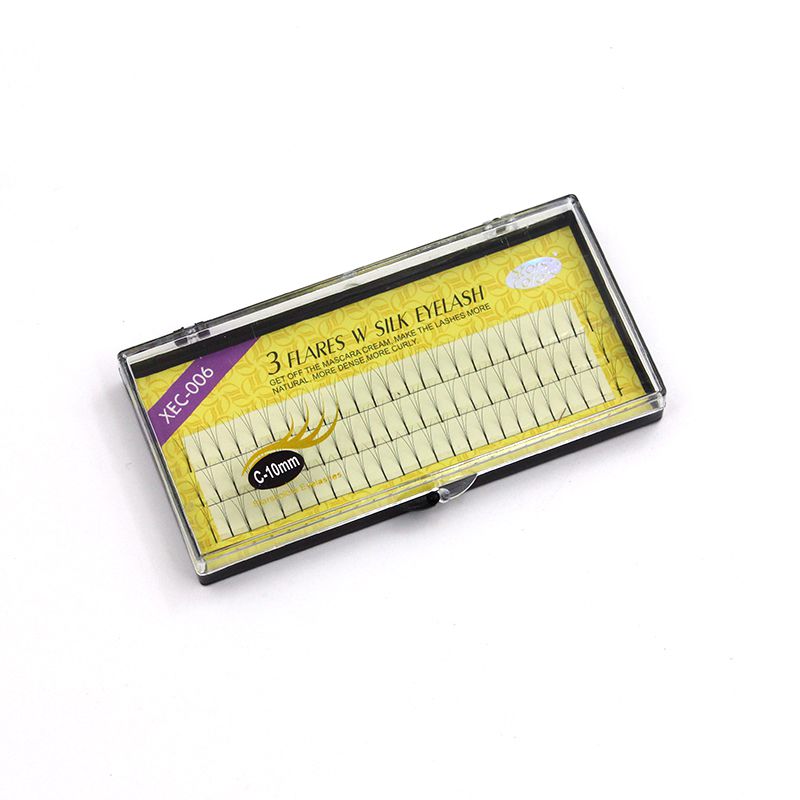
The influence of social media cannot be overstated. Platforms like Instagram, TikTok, and YouTube have turned lash products into a "must-have" accessory. Brazilian and Mexican beauty influencers, with millions of followers, regularly feature lash tutorials, driving demand for natural-looking extensions, dramatic false lashes, and innovative lash丝 (lash silk) products. In Mexico, the "glamorous everyday" trend has made lightweight, reusable false lashes a staple for office workers and students alike. In Brazil, the "no-makeup makeup" movement has popularized subtle, wispy lash styles that enhance rather than overpower the eyes.
E-Commerce and Retail Expansion
The growth of e-commerce has been a game-changer. In Brazil, platforms like Mercado Libre and Amazon Brazil now account for over 40% of lash product sales, offering convenience and a wide range of international and local brands. Mexico’s e-commerce beauty market, valued at $3.2 billion in 2023, has seen similar growth, with direct-to-consumer (DTC) lash brands gaining traction through targeted social media ads. Meanwhile, offline retail remains strong: Brazilian beauty chains like O Boticário and Mexican department stores like Liverpool stock premium lash lines, catering to consumers who prefer in-person trials.
Key Market Preferences
Understanding local preferences is critical for manufacturers. Brazilian consumers prioritize durability and sweat resistance, given the country’s tropical climate. They favor cruelty-free, vegan lash丝 made from high-quality PBT fibers, which offer a natural sheen and flexibility. Mexican buyers, on the other hand, value versatility—seeking both daily-use natural lashes and bold, party-ready styles. Price sensitivity is also a factor; mid-range products ($5–$15) dominate, though premium options with unique designs (e.g., colored or glitter lashes) are gaining niche popularity.
Opportunities for Lash Manufacturers
For manufacturers, these markets present clear opportunities. Investing in region-specific product development—such as waterproof lash adhesives for Brazil or customizable lash kits for Mexico—can drive market penetration. Additionally, ensuring compliance with local regulations, such as Brazil’s ANVISA certifications and Mexico’s COFEPRIS standards, is essential for building trust. Collaborating with local influencers and leveraging data-driven marketing to highlight product benefits (e.g., "30 wears without damage" or "hypoallergenic lash丝") can further boost brand visibility.
As Latin America’s beauty industry continues to thrive, Brazil and Mexico are poised to become global leaders in lash product consumption. By aligning with local trends, prioritizing quality, and embracing digital retail, manufacturers can tap into this high-growth potential and establish long-term market presence.


